



Community Cats & TNR
WHAT ARE COMMUNITY CATS?
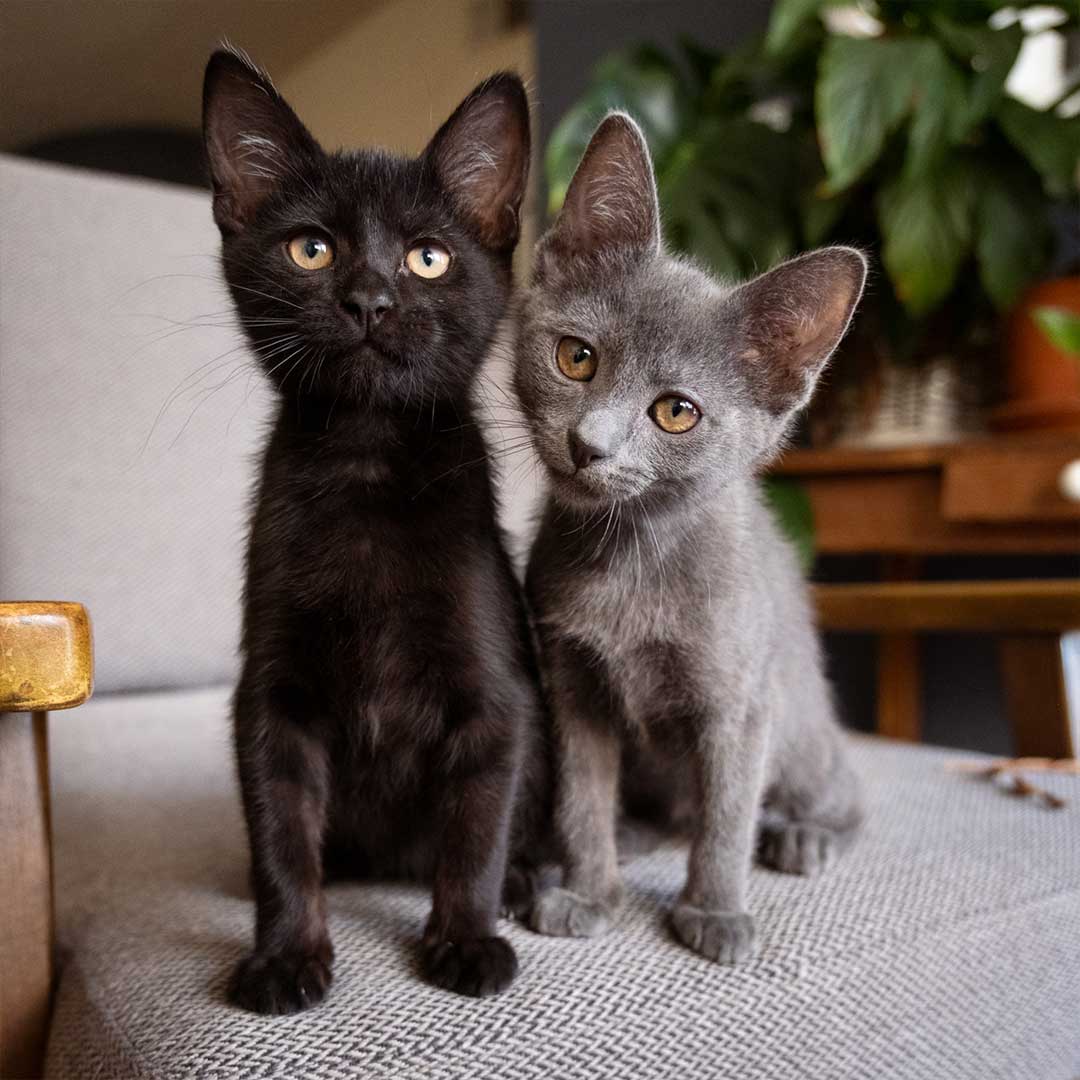
Community cats are free-roaming cats that live outdoors in neighborhoods, parks, and urban or rural areas. Some may be social and comfortable around people, while others are feral and prefer little to no human interaction. Many community cats are cared for by compassionate residents who provide food, shelter, and medical support. Through Trap-Neuter-Return (TNR) programs, community cats are humanely trapped, spayed or neutered, vaccinated, and returned to their outdoor homes to help reduce overpopulation and improve their health and well-being.
ARE THEY THE SAME AS FERAL CATS?
Community cat is the more inclusive term used by many shelters and TNR programs because it recognizes the variety of outdoor cats living in a community.
WHY TNR WORKS
The cats you see throughout Palm Springs are often community cats, outdoor cats that may be homeless, abandoned, or born outside. Some are social and comfortable around people, while many have had little human interaction and are fearful of contact, making them unsuitable for traditional adoption.
Palm Springs is estimated to have more than 4,000 community cats. You can help humanely manage this population through our Trap-Neuter-Return (TNR) program. TNR helps end reproduction, stabilize and reduce outdoor cat populations, improve cats’ quality of life, and reduce the number of kittens entering our shelter each year.
TNR is the most humane and effective approach to community cat management. Removing cats from their environment is not only ineffective long-term, but in many cases, inhumane and unlawful.
HOW CAN I TRAP?
Borrow a Trap:
- Available from Palm Springs Animal Shelter during normal business hours.
- Free with $65 refundable deposit per trap. Cash and credit cards accepted.
Approved Traps: Model 30LTD from TruCatch. Must have access from BOTH sides and must not be spring loaded.
When to Trap: Night before surgery, after dusk. Cats should not be left in a trap for more than 8-10 hours.
PREPARE
Do all setup away from the colony site. Place newspaper or cardboard (folded lengthwise) inside the bottom of the trap to protect paws. Do not put bedding or towels inside the trap. In winter, a towel can go under the trap.
BAIT
Place a couple tablespoons of food at the very back of the trap. Wet cat food works fine; canned tuna, sardines, or mackerel may be more enticing. Place directly on newspaper or a small disposable tray. Do not place glass or metal cans in the trap.
SET AND TRACK
Steps:
- Raise both rings to top of door
- Flip open and raise the door
- Lift the variable trigger rod and place against the fixed trigger rod (tension holds the door open) Trap is now set.
Be mindful: Trap should not rock or tip. Place away from sprinklers. Place out of direct sunlight. Cover trap with a large towel (door must not be blocked). Keep track of traps at all times.
DROP OFF
Bring cat to Desert Community Animal Center during scheduled TNR events. (See Schedule)
Tips: Ensure the entire trap is covered with a large towel — all sides. Do not feed cats before surgery. Do not pull stuff out of the trap. Always ensure the trap is latched.
RETURN TRAP
Return to shelter clean and disinfected, free of newspapers and debris.
ASSISTANCE:
TNR Hotline: (760) 820-2281
TNR@PSAnimalShelter.org
Responses may take 1-2 days.
TNR CLINIC SCHEDULE
- CONTACT: TNR Manager Jana Hayes at (909) 816-5915 to reserve a spot.
- LOCATION: Desert Community Animal Center (DCAC), 13700 Palm Drive, Desert Hot Springs (across from Quick Quack Car Wash)
IMPORTANT CHANGES
- Cats must be in standard TRAPs (no carriers). Traps available to rent from PSAS for $65 refundable deposit per trap.
- Check-In is done in the parking lot.
- Drop-off and pick-up cats within the given time frame.
- Questions: call Jana at (909) 816-5915
APPROVED TRAPS: TruCatch 30LTD Trap, available to borrow from Palm Springs Animal Shelter.
FEES AND DONATIONS: Voluntary $45 donation per cat. Offsets costs of: veterinarian, medical assistants, anesthesia, pain meds, spay/neuter, ear tip, rabies vaccine, FVRCP vaccine (rhinotracheitis, calicivirus and panleukopenia), microchip, and if needed fluids. Cats are also treated for fleas, ear mites, and ticks if visible. Talk to us if you need fees waived.
SURGERY: Once sedated, cats are checked for microchips and past sterilization. All cats receive: spay/neuter, ear tip, rabies vaccine, FVRCP vaccine, microchip, hydration if needed, plus treatment for fleas, ear mites, and ticks if visible. Post-surgery, cats are held overnight at the shelter for recovery. They are given food and water. Cats must be returned the next day to the exact location where they were trapped.
COLONY CAREGIVING
KNOW YOUR RIGHTS:
As a caregiver for outdoor cats, you may be approached by local authorities at some point. In some communities, animal-related ordinances are enforced by full-time animal control officers; in others, police officers, sheriffs, or code enforcement officers might be assigned to animal control duties or wear several hats, including animal control.
Here in the City of Palm Springs, our city endorses TNR as the most effective and humane approach to community cat management. For other Coachella Valley cities refer to Alley Cat Allies: https://www.alleycat.org/resources/know-your-rights-how-to-talk-to-animal-control/
HOAS/APARTMENT RESOURCES
CONFLICTS WITH PROPERTY MANAGEMENT:
If you care for community cats on property that is not owned by you — for example: at an apartment complex, strip mall, or restaurant parking lot — you may experience conflicts with the property management. Please refer to Alley Cat Allies: https://www.alleycat.org/community-cat-care/mediating-conflicts-with-property-management/
EDUCATE PROPERTY MANAGEMENT:
Let the property management know the outdoor cats are free-roaming community cats, protected under California Penal Code 597. These cats are unfortunately homeless, and likely the offspring of abandoned pets by previous residents. Feel free to share that you have enlisted the Palm Springs Animal Shelter (PSAS) to ensure all adult cats are humanely Trapped, Neutered/Spayed, and Returned (TNR). Unfortunately, these cats are not domesticated and cannot be adopted out. As each cat goes through TNR, the cat will be vaccinated for rabies and other diseases, ear-tipped, treated for injury or infection, ear mites, fleas, or ticks. Over time the number of free-roaming cats will naturally decrease. The left ear-tip identifies which cats have gone through TNR.
IMPORTANT NOTES FOR EVERYONE:
- It is illegal to remove and abandon cats and kittens from any property under CA Penal Code 597
- Palm Springs Animal Control will NOT remove free roaming cats — the City of Palm Springs supports TNR and refers all non-abuse cases of free-roaming cats back to the Palm Springs Animal Shelter TNR team.
- Ear-tipping is the preferred method to identify free-roaming cats that have been spayed and neutered
LONG TERM RECOMMENDATIONS:
Once all cats are sterilized through TNR, recommend establishing a single discrete feeding station. Palm Springs Animal Shelter can offer direction on guidelines. By provisioning ongoing food and water the cats remain healthy and disease free! Feed cats commercially purchased cat food — cats left to eat only rats and uncooked meats are more susceptible to toxoplasmosis.
COMMUNITY CAT DETERRENTS
BENEFITS:
While many people appreciate the benefits of cats (rodent control), some people don’t want cats in their yard. Reasons may include paw prints on vehicles, digging in garden, fur on patio furniture, or spraying if cats have not been spayed or neutered.
TNR IS APPROVED AND SUPPORTED BY OUR CITY:
PSAS and the City of Palm Springs advocate for TNR. TNR diminishes — often eliminating — unwanted behaviors like yowling, fighting, spraying, and producing kittens.
DETER CATS
(humane, inexpensive solutions):
- Scatter fresh orange and lemon peels, spray citrus-scented fragrances
- Spread citronella oil, lavender oil, lemongrass oil, or eucalyptus oil
- Add coffee grounds to your garden
- Plant rue herb (Ruta Graveolens) or scaredy cat coleus (Coleus Canina)
Additional purchasable deterrents: Cat Scat | ScareCrow (motion-activated sprinkler)
REMOVE ODORS: Products for eliminating feline urine odor: Natures Miracle | Scouts Honor
HELPFUL NEIGHBORS
Tips to keep cats in a designated area:
- Feed on a schedule, in a quiet out-of-the-way place
- Maintain a clean outside litter box
- Grow cat nip, cat mint, or barley grass
- Add a cozy cat house or two (see Alley Cat Allies for ideas)
ASSISTANCE:
TNR Hotline: (760) 820-2281
TNR@PSAnimalShelter.org
Community Cat Program specialists available for onsite consultation.
GARDEN CATS
WHERE THEY COME FROM:
They come to our shelter from a variety of untenable circumstances: born feral, abandoned by owners, hoarder cases, regressive city ordinances and unsafe environments to include inhospitable neighbors. One major trait they have is they are un-socialized — having an innate fear of humans. This fear renders them not suitable for regular adoption consideration.
NATURAL RODENT CONTROL:
Our Garden Cats Program allows these cats to barter their pest-control skills for room and board under the supervision of an understanding caregiver on ranches, farms, wineries, agricultural operations, warehouses of all types as well as neighborhood backyards.
In order to ensure a good fit, the process starts with an adopter application, followed by an on-site grounds inspection and a contractual agreement. The cats are assigned in sets of two or more. The adopter gets cats that have been spayed/neutered, vaccinated, treated from parasites and diseases if present, microchipped and ear-tipped.
APPLY NOW: Contact gardencats@psanimalshelter.org
Important Update: We are NOT currently placing GardenCats in the High Desert region (Morongo Valley, Yucca Valley, Flamingo Heights, Joshua Tree, Twentynine Palms) due to severe predation from coyotes and large owls.